Skip to content

New build thatching

New build thatching for houses, extensions and garden buildings

We thatch new houses, extensions, garages, gazebos and garden walls. We give free advice on materials and roof design at the start of a project, and on site with your builder.

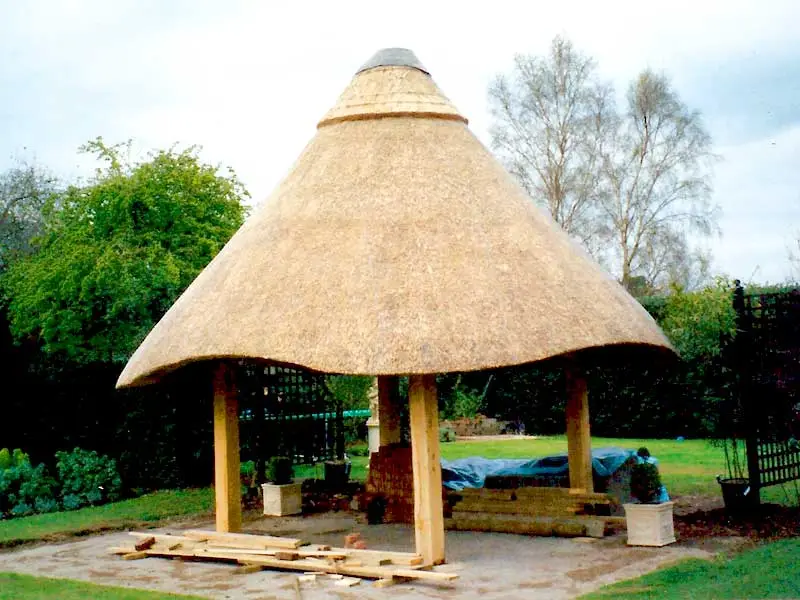
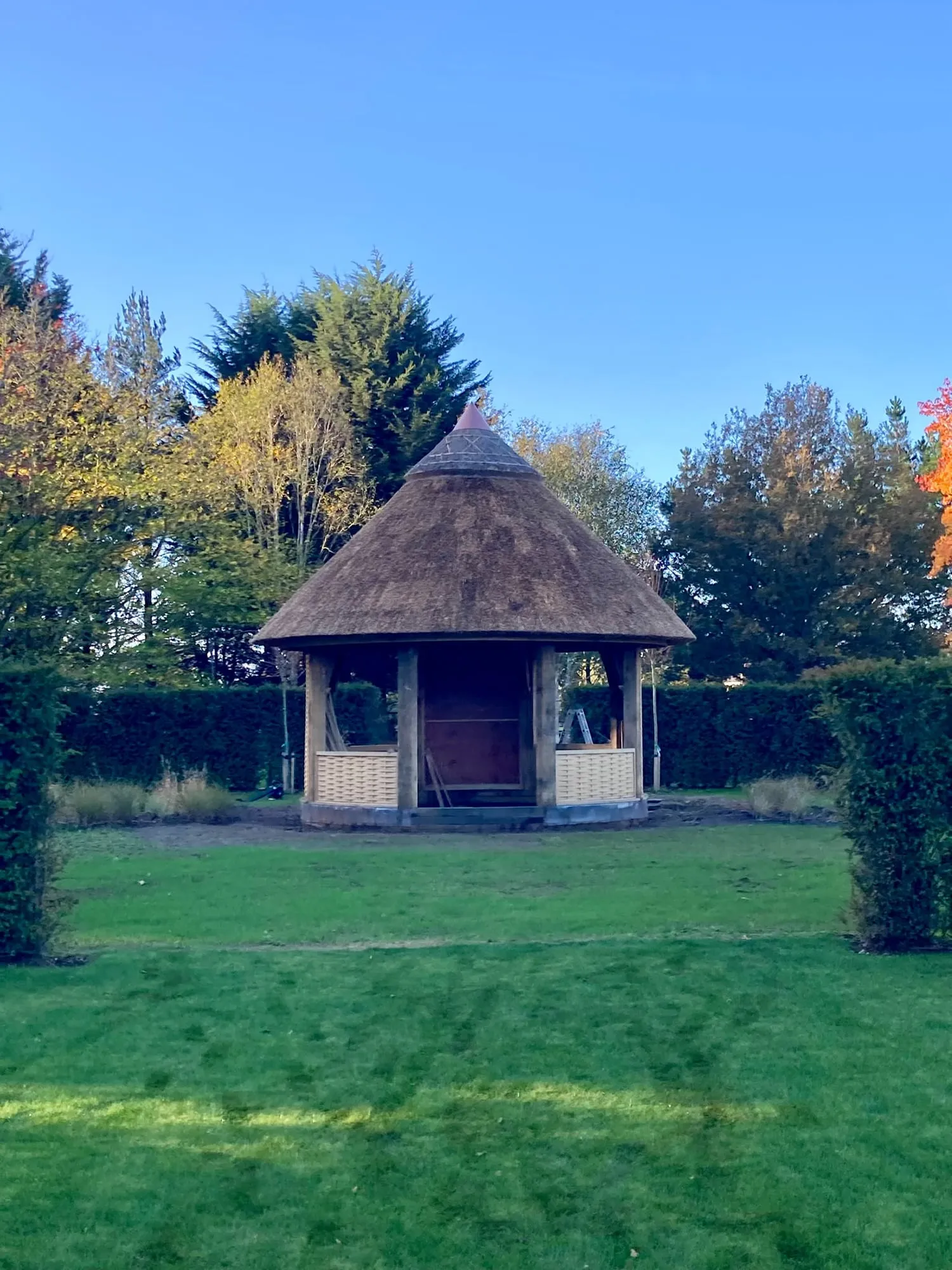
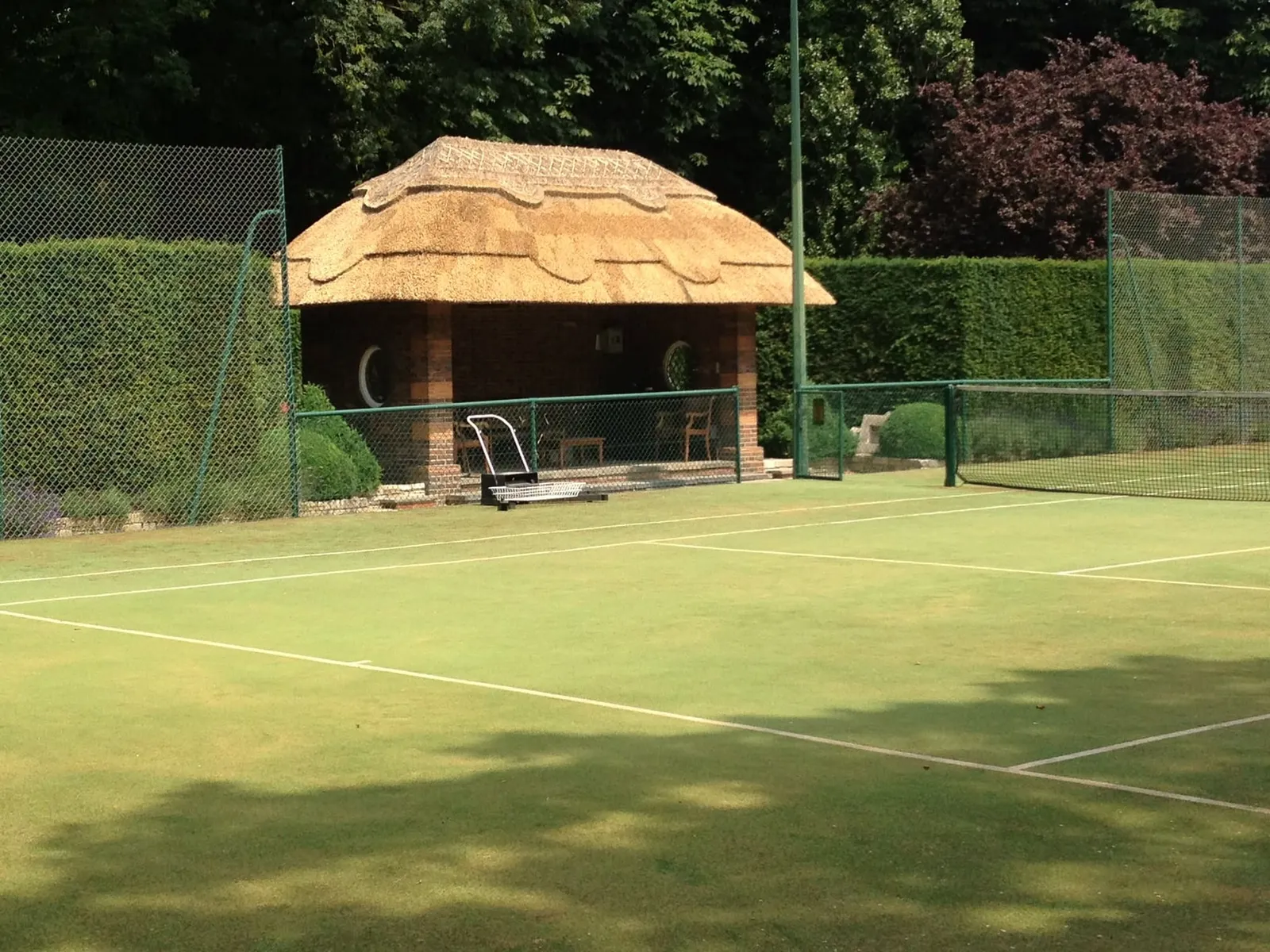
A new round thatched gazebo in a garden

Plan the roof for thatch

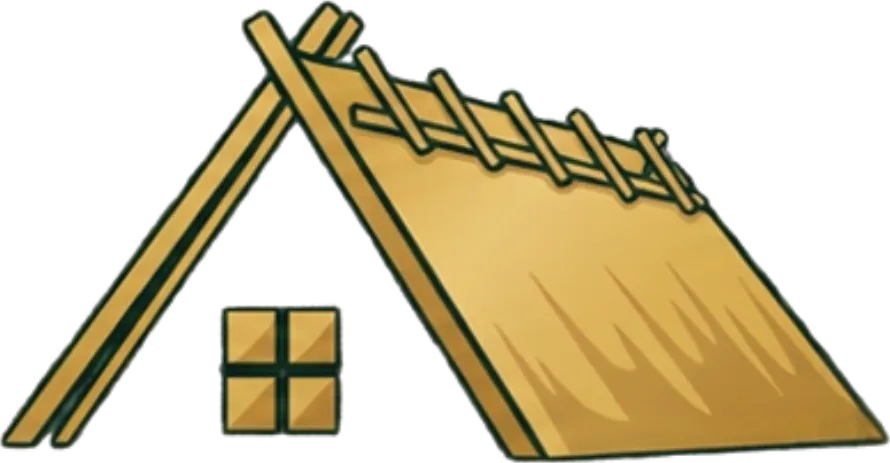
A thatched roof needs a steep pitch, usually 45 to 50 degrees, so that water runs off fast. It also needs the correct battens, fire barrier and distance from the boundary.

Building regulations set fire safety rules for thatch, including the distance from the site boundary. We help your architect and builder meet these rules from the first drawing.

Small structures

A thatched gazebo, bus shelter, well cover or garden wall adds character to a garden. We have also thatched replica roundhouses for heritage sites.

Where we do this work

We are based in Hertfordshire and do most of our work in the county. We also cover west and north Essex, Buckinghamshire, Bedfordshire, North London, Cambridgeshire and Northamptonshire, within about 60 miles of our base.
Our materials

Three materials, English where possible

We use English material where possible. Each one lasts a different time, so the choice of material is also a choice about cost per year.

  • Norfolk water reed

    Lasts 50 years or moreHardest-wearing

    The hardest-wearing material we use. A hard, hollow reed cut from the Norfolk wetlands. It gives a crisp, dense finish with sharp edges.

  • Combed wheat reed

    Lasts 25 to 35 years

    English wheat straw, combed so all the stems lie the same way, then laid butt-ends down. A neat, close finish that suits most cottages.

  • Long straw

    Lasts 15 to 30 years

    English threshed wheat straw, laid loose for a soft, rounded coat with hazel liggers on show. The traditional thatch of Hertfordshire and Essex.

These are typical figures for a well-laid coat. The ridge wears faster and needs replacing every 10 to 15 years. Roof pitch, shade from trees and the weather change how long a coat lasts.

Recent work

Questions people ask us

What roof pitch does thatch need?

Thatch needs a steep pitch, usually 45 to 50 degrees, so that rain runs off quickly. Building regulations also set fire safety rules, such as the distance from the boundary. Talk to us at the design stage.

How do I protect a thatched roof from fire?

Most thatch fires start at the chimney. Have the chimney swept often, and keep the flue liner in good condition. Fit smoke alarms in the roof space. On new and re-thatched roofs, a fire barrier under the thatch adds protection. Wood burners and multi-fuel stoves are not recommended in thatched houses.

What is the difference between long straw, combed wheat reed and water reed?

Long straw is threshed wheat straw, laid in a loose, shaggy coat with a rounded look. It is the traditional thatch of Hertfordshire and Essex. Combed wheat reed is wheat straw that is combed so all the stems lie the same way, then laid with the butt ends down for a neater finish. Water reed is a hard, hollow reed from wetlands such as the Norfolk Broads. It gives a crisp, dense finish and lasts longest, 50 years or more. We use English material where possible, and advise which suits your house.

Other services

Free quote and roof check

Get a free quote for new build thatching

We visit, look at the roof and give you a written, fixed-price quote. It is free, with no obligation. For a repair, send us photos first.

  • A fixed price, with a full description of the work
  • Every quote is valid for 12 weeks
  • A 5-year written guarantee on all completed work
  • All waste removed as part of the service. Scaffold is an extra cost.

Or call 07860 292801

Ask for a free quote or roof check

Tell us about your roof. We reply by phone or email. If you prefer to talk, call 07860 292801.

For example: when it was last thatched, the material, or whether the house is listed.

Photos of the roof (optional, up to 6)

    We reply within 1 working day. We use your details only to reply. Privacy notice.